Implementing Patient Centered Care in Healthcare
Implementing patient centered care is essential for healthcare providers, aiming to tailor services to fit individual patient needs. This approach fosters a supportive environment, enhancing the quality of care by recognizing each patient as a unique individual rather than just a diagnosis. It emphasizes the necessity for careful communication between healthcare professionals and patients, enabling collaboration in treatment plans.
Defining Patient Centered Care
Patient centered care entails understanding patients’ preferences, needs, and values. It focuses on building strong relationships between patients and healthcare providers, where patients are active participants in their care. This model encourages healthcare professionals to listen attentively and adjust treatment methods that align specifically with patients’ goals.
More than mere convenience, patient centered care nurtures an environment where patients can comfortably express their concerns and expectations. Research indicates that when patients feel heard and respected, they are more likely to follow through with treatment plans, ultimately improving health outcomes. This alignment can lead to significant reductions in hospital readmissions and overall healthcare costs.
Emphasizing the individuality of patients, patient centered care enhances both the experience and outcomes of healthcare, promoting a culture of mutual respect and cooperation.
Steps to Implementing Patient Centered Care
Successful implementation of patient centered care involves several structured steps that guide healthcare providers in delivering personalized services. At Ode Clinic, the following six-step process exemplifies this approach:
| Step | Description |
|---|---|
| 1 | Arrival: Visiting the clinic. |
| 2 | 1:1 Consultation & Design: Consultation with the Chief Director to design treatment. |
| 3 | Re-consultation: Finalizing the treatment plan through detailed follow-up consultation. |
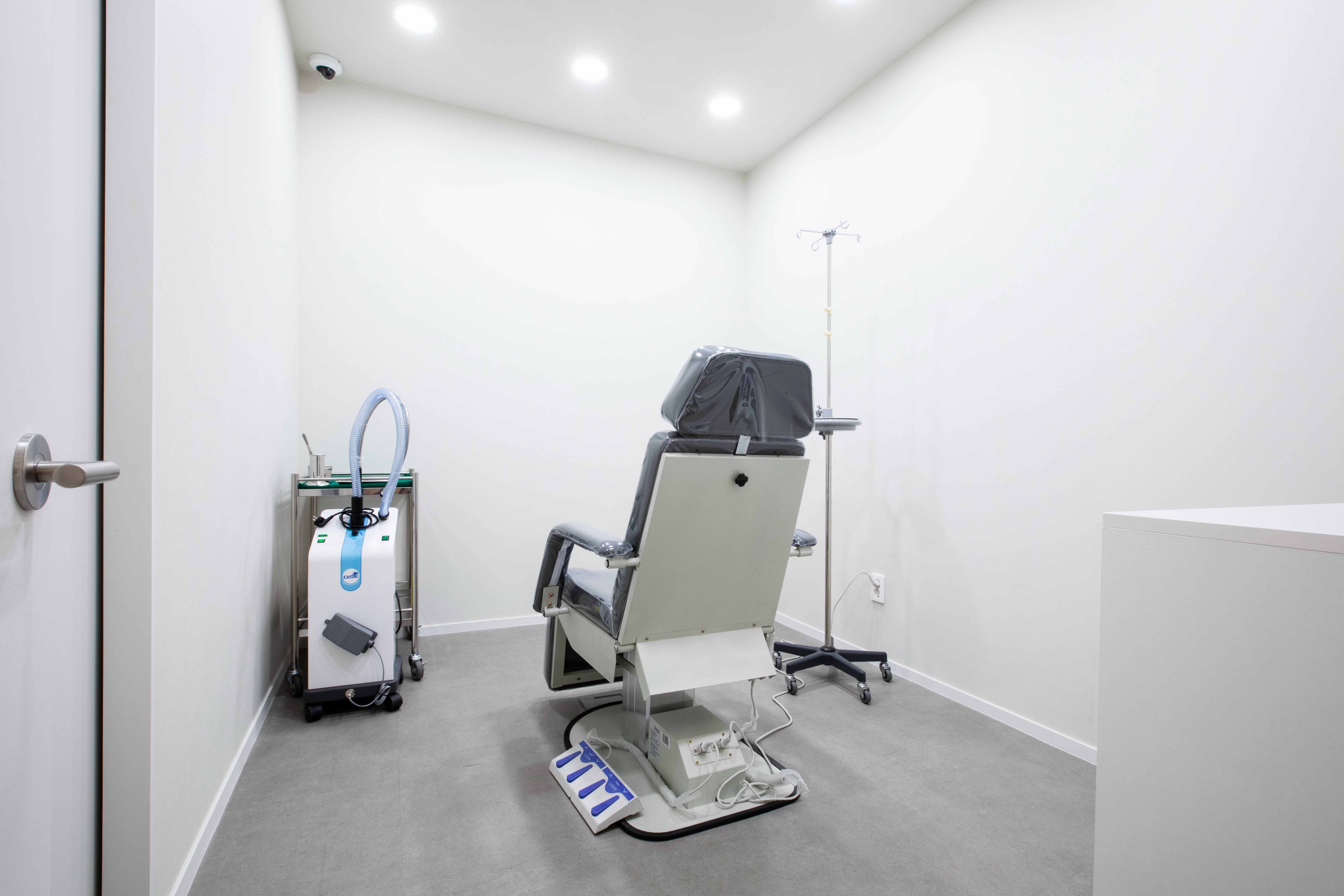
| 4 | Private Room Procedure: Treatment conducted in a private, single-person room. |
| 5 | Customized Care: Personalized post-procedure management. |
| 6 | Departure: Returning home after completion of services. |
Each step prioritizes patient comfort and tailored care, ensuring that services fit individual needs rather than a one-size-fits-all model. By following this framework, healthcare providers can greatly enhance patient experiences and satisfaction.

The Benefits of Patient Centered Care
Patient centered care yields several benefits that contribute to a more effective healthcare system. These advantages include improved patient engagement, enhanced satisfaction with care, and better health outcomes. By prioritizing individual patient needs, healthcare professionals can provide a more supportive and effective healing environment.
Improved Health Outcomes
Studies demonstrate that patient centered care considerably improves health outcomes by promoting adherence to treatment plans and fostering trust between patients and providers. When patients feel more involved in their care, they tend to take greater responsibility, leading to healthier behaviors.
Moreover, effective communication allows for clearer understanding of treatment goals and available options, thus equipping patients with the knowledge they need to make informed decisions about their health. This approach has been linked to significant gains in chronic disease management and overall well-being.
Implementing patient centered care strategies significantly elevates health outcomes through enhanced adherence, trust, and patient empowerment.
Enhancing Patient Experience
One of the most impactful benefits of patient centered care is its profound effect on patient experience. Patients are more likely to report satisfaction when they feel involved and valued in their healthcare journey. At Ode Clinic, the commitment to listen to every individual and provide tailored solutions resonates through all patient interactions.
By creating an environment where patients can communicate their preferences and fears openly, healthcare providers foster a culture of empathy and support. This positive experience not only encourages return visits but also builds long-lasting relationships between patients and providers, enhancing the overall quality of care.
Cost Effectiveness and Efficiency
Incorporating patient centered care into the healthcare model can lead to significant cost savings. By decreasing hospital readmissions, reducing the need for unnecessary procedures, and optimizing treatment plans, healthcare facilities can operate more efficiently. Health systems that engage patients effectively will see reductions in healthcare spending while maintaining or even improving care quality.
| Advantage | Description |
|---|---|
| Cost Reduction | Lower rates of hospital readmissions and unnecessary treatments. |
| Time Efficiency | Streamlined processes allow for more patients to be treated in less time. |
Healthcare organizations that adopt a patient centered approach not only enhance satisfaction but also maintain sustainability within their operations, ultimately leading to a healthier population overall.
Conclusion on Patient Centered Care Implementation
In conclusion, patient centered care is a pivotal aspect of modern healthcare delivery that emphasizes individualized treatment and patient engagement. By meticulously following structured steps and fostering an empathetic environment, healthcare providers can significantly elevate the standard of care they deliver. Odé Clinic exemplifies these principles and underscores the importance of putting patients at the heart of healthcare.
Future of Patient Centered Care
The future of healthcare relies heavily on the principles of patient centered care. As technology evolves and patient expectations increase, healthcare providers must continuously adapt to meet these changes. Innovations in telehealth, wearable devices, and patient education deliver opportunities for enhanced engagement, presenting numerous paths to implement the core values of patient centered care effectively.
In this dynamic landscape, organizations like Ode Clinic are well-positioned to lead by example. By committing to personalized medical care and ongoing communication, they can help shape the healthcare industry’s future, paving the way for even better outcomes and experiences for all patients.



Frequently Asked Questions
Q.What is the core concept of Ode Clinic?
A.Ode Clinic is dedicated to offering personalized treatment plans, emphasizing the importance of understanding individual patient needs and preferences in dermatology care.
Q.Who can benefit from services at Ode Clinic?
A.Patients seeking individualized and comprehensive dermatological treatments suited to their specific conditions and preferences will find Ode Clinic particularly beneficial.
Q.How does Ode Clinic engage in patient centered care?
A.Ode Clinic engages in patient centered care by conducting one-on-one consultations to design treatment plans, ensuring effective communication, and providing customized post-procedure management.
Q.What practical steps should patients take before visiting?
A.Patients are encouraged to prepare by identifying their concerns and preferences, enabling meaningful discussions during their consultation at Ode Clinic.
Q.Where can I find Ode Clinic and how can I contact them?
A.Ode Clinic is located at Gangnam-daero, 340, 8F, Seoul, and can be reached at +82 2-569-0222 for inquiries or to schedule appointments.
Clinic Information
| Clinic | Ode Clinic |
|---|---|
| Specialty | Dermatology |
| Address | Seoul, Gangnam District, Gangnam-daero, 340 8F |
| Phone | +82 2-569-0222 |
| Website | https://odeclinicseoul.com/en |
 Ode Clinic